Priority
Economic Vitality
A thriving local economy creates opportunities for residents, help local businesses succeed and funds the revenue needed to sustain the public services that make Boulder a great place to live, work, study and visit.
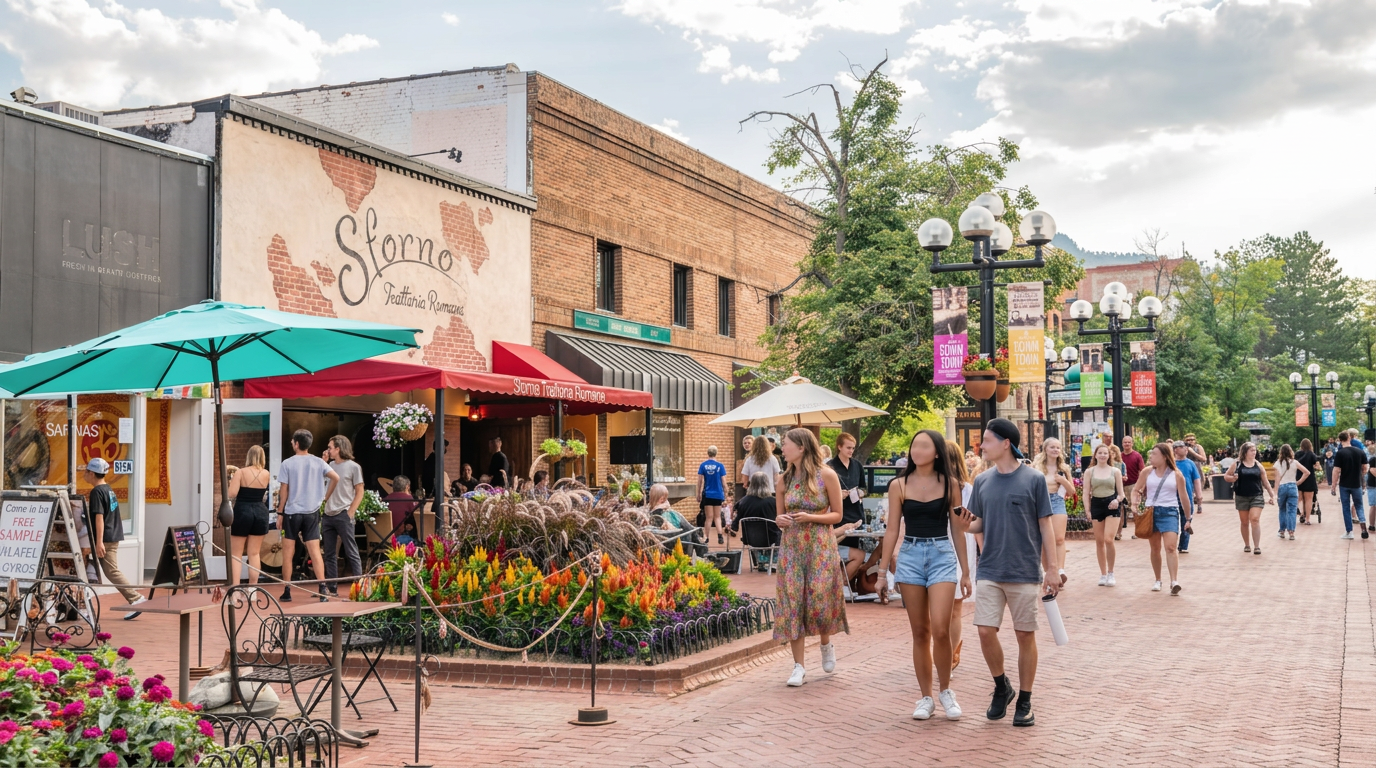
A strong local economy supports the entire community
Boulder has real economic strengths: a highly educated workforce, innovative businesses, the University of Colorado, nationally recognized federal laboratories, a celebrated downtown and a quality of life that attracts people from around the world.
To build on these strengths, our local business community needs our support. Boulder businesses face high rents, workforce shortages, public-safety concerns and a permitting system that can delay openings or renovations. Empty storefronts and fewer customers weaken the businesses that are here. And when sales-tax revenue falls, the city has less money for public safety, transportation, parks and other city services.
Our economic vitality requires helping businesses already here succeed, attracting businesses that fit and maintaining commercial districts where residents want to spend time.
Support local and growing businesses
Boulder should continue to support local businesses that help distinguish us from the towns that surround us. The shops, restaurants and services on Pearl Street, at Twenty Ninth Street, in Table Mesa, in North Boulder and along East Arapahoe all serve today's Boulder. While we should welcome national companies that want to do business here, we should also foster local businesses that help deliver the unique Boulder experience. They create jobs, keep money circulating locally and make our commercial areas more interesting and inviting.
The city should work with its community partners to help businesses navigate permits, obtain financing, find employees and respond to prolonged construction disruptions. We should also explore practical ways to put vacant storefronts back into use and make commercial space more attainable for small and growing businesses.
On City Council, I will vote to support efforts to help minority-owned businesses start, grow and succeed in our community. These businesses have a choice about where to open and grow; let's make Boulder their first choice.
Make the most of Sundance
The Sundance Film Festival's arrival presents an extraordinary opportunity for Boulder. It will also bring added demands on traffic, parking, neighborhoods, public facilities and local businesses.
Planning must include residents, businesses, workers, the university, transportation providers and public-safety agencies. Local businesses should have a meaningful opportunity to participate in and benefit from the festival, not simply endure its impacts.
After the first festival, the city should report the tax revenue generated, how local businesses benefited, what costs the city incurred and how surrounding neighborhoods were affected. That review should also evaluate how well transportation options served residents, workers and visitors, and identify improvements for future festivals.
Restore the vitality of downtown and our commercial districts
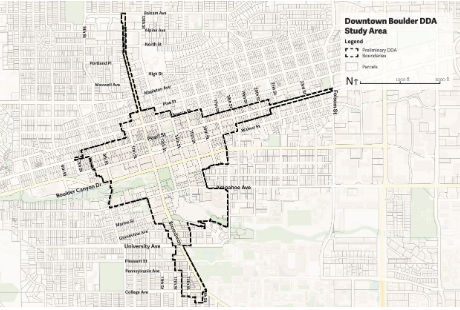
I supported the proposed Downtown Development Authority, despite serious concerns about making a 30-year commitment to a tax-increment financing district. I saw the DDA as more than an effort to enhance downtown beautification. It was an opportunity to invest in downtown and the Hill to create a more level playing field for people who want to start and grow businesses in Boulder.
If a DDA or similar proposal returns, I will insist on meaningful City Council oversight and a clear explanation of what the public will receive for its investment. City Council should retain the power to appoint and remove the DDA's board members.
Downtown and our other commercial areas must feel safe, clean and welcoming. We also need more people in these areas throughout the day and evening. Carefully planned housing, reuse of underused buildings, arts and cultural activities and inviting public spaces can support nearby businesses.
This effort should not stop at downtown and the Hill. Our neighborhood shopping areas each have different needs. The city should listen to the businesses and residents in each area rather than apply one approach across the city.
Make it easier to do business in Boulder
City regulations should serve important goals, and the process should be understandable and predictable. A business improving an empty storefront, changing its use or adapting an older building should receive clear requirements, coordinated reviews and a realistic schedule.
For complex projects, applicants should have a designated city staff contact who can help coordinate reviews and resolve conflicting guidance from different departments.
Boulder's safety, environmental and opportunities for neighborhood participation reflect the city's values; they should not reduce the incentive to open and maintain a business. Reducing costly delay does not require abandoning these protections. Instead, business owners should be able to know what the city requires without dense analysis of the city's building codes.
When city staff says a plan does not comply, the staff should explain why and help find alternatives that would comply. The city should set clear expectations for timely responses, understandable guidance and help resolving problems, and include those expectations in staff performance evaluations.
Boulder cannot control every economic trend or prevent every business closure. We can, however, listen to local businesses, remove unnecessary barriers, invest responsibly and measure whether our efforts are working.