Priority
Climate Adaptability
Prepare for changing conditions
Boulder must prepare its homes, infrastructure, water supply, and emergency systems for wildfire, extreme heat, drought, and flooding. Climate adaptability requires practical decisions about land management, infrastructure, public safety and city resources. Let’s direct the limited resources to the greatest risks and help residents participate.
Boulder will become a fire resilient community
Wildfire is the existential threat facing Boulder. As the Marshall fire of 2021 proved, once homes begin to burn, flames will move from building to building faster than residents can evacuate or firefighters can contain them. A similar fire in Boulder would mean the loss of human life, pets and wildlife forever, entire neighborhoods burned beyond recognition, and a long, costly recovery. A few days of fire, and years before Boulder fully recovers.
Boulder is already coordinating efforts to reduce wildfire risks. The Wildfire Resilience Assistance Program (WRAP) is helping property owners complete home hardening and vegetation management. Risk-based vegetation management on Open Space and Mountain Parks land is reducing easily ignitable fuels.
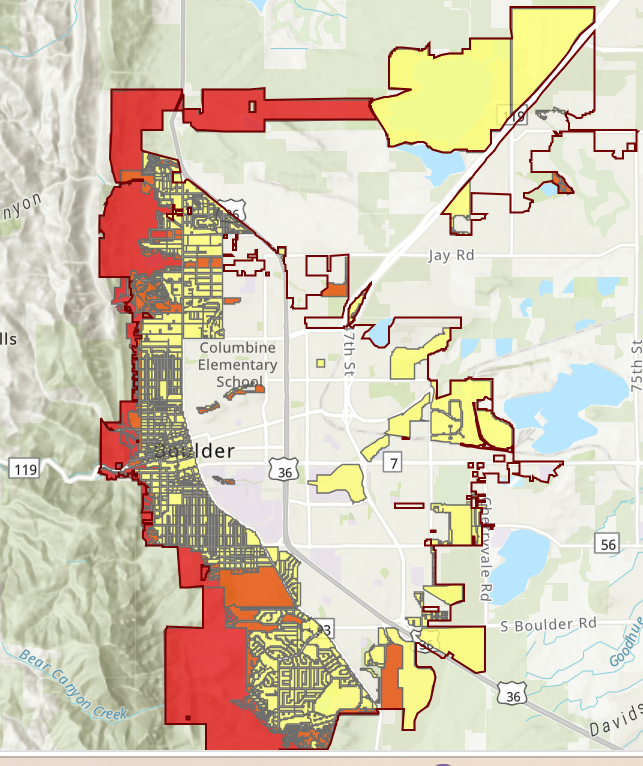
Wildfire preparedness matters to all of Boulder. With more than 14,000 homes—including apartments and condos—west of Broadway, the scale of that challenge is significant. A major fire would affect people across our city, from displaced households to disruptions to schools, businesses and essential services. Boulder Fire-Rescue is developing a tactical wildfire response plan, and as a City Council member, I would support that work and strengthen our prevention, preparedness and response. That includes directing a portion of our climate pollution funding toward wildfire resilience to help protect our entire community.
Requiring homeowners to retrofit their property for wildfire resilience is a more delicate issue. Expecting a homeowner to spend thousands to replace a working wooden fence, even though the science points to its benefit, lacks practicality as a solution. On the other hand, maybe that homeowner would accept a city crew cutting down and chipping juniper trees on the property. I believe tangible, small steps in the right direction will build momentum for greater resilience.
Practice how we will evacuate
Reducing ignition risk does not eliminate the need to evacuate. Residents need reliable alerts, clear information, and realistic plans for neighborhoods with limited evacuation routes.
Evacuation preparedness must prioritize older adults, people with disabilities, residents without cars, limited-English speakers, and others who may need assistance. Evacuation plans should be practiced, evaluated, and regularly updated. In the event of wildfire spread by high winds, some residents may have only minutes to evacuate. Well before that scenario, Boulder should help residents learn and know their quickest and safest exit. A meaningful emphasis on this outreach and teaching evacuation is worth the lives saved in the event of a wildfire.
Prepare for flooding
I was here in 2013, when nearly a week’s worth of extraordinary rainfall sent water rushing from the Boulder Foothills, overwhelming our creeks, drainage systems and saturated ground. Thirteen years later, we can better judge which measures will protect Boulder most effectively. Protecting lives and emergency routes should come first. Drainage improvements, creek management, and land-use decisions should be guided by current risk information, and in times of budget constraint, not all good plans need funding when the benefit does not outweigh the cost.
Turn plans into visible work
Boulder has adopted substantial climate and wildfire plans. The next City Council will have the responsibility for executing on these plans. Working with clear deadlines for each incremental step of greater wildfire and disaster preparedness will help keep our focus on implementing these important steps.
It's not time for mandates, because asking neighbors to take on as much as they can, when they can, needs time. Also, homeowner insurers already are providing incentives to make a home more fire resilient, but that will take time.
If I'm elected to City Council, we will lead the discussion about each resident's small and big actions that will prepare us for the climate risks we most immediately face.